
Nutritional Strategies for Endometriosis: Anti-Inflammatory Recipes and Diet Tips

Updated: Sep 6

Nobody tells you about the kitchen part.
When you are first diagnosed with endometriosis, the conversations are about surgery, medication, and management. They hand you a leaflet. They talk about hormones. And then you go home - still in pain, still exhausted, still wondering what on earth you are supposed to eat.
That is where so many of us find ourselves. Lost in a sea of conflicting information, not knowing which foods are helping and which are quietly making things worse.
I have been there. And this post is everything I wish someone had handed me on that day. 💛
This is not about restriction or perfection. It is about understanding what your body actually needs - and giving it the nourishment, care, and support it deserves.
Disclaimer: The information shared on this website is for general informational, educational and inspirational purposes only. It is not a substitute for professional medical advice or intended to diagnose, treat, cure, or prevent any disease. Always seek the advice of a qualified healthcare provider with any questions regarding a medical condition or before making any changes to your diet, lifestyle, or supplementation. Never disregard professional medical advice or delay seeking it because of something you have read here.
Affiliate Disclosure: Some links in this post are affiliate links, which means I may earn a small commission if you click through and make a purchase, at no extra cost to you. I only recommend products and services I have personally used and genuinely trust.
Understanding Endometriosis and the Role of Nutrition
Endometriosis is a complex, deeply personal condition - and because every body is unique, there is no single dietary approach that works for everyone.
What research does consistently show is this: an anti-inflammatory, whole-food eating pattern - rich in omega-3 fats, fiber, antioxidants, lean proteins, and healthy oils - can help calm inflammation, ease pain, and support overall well-being in women living with endometriosis.
At the same time, reducing common triggers - refined sugars, processed meats, trans fats, and certain high-inflammatory foods - may help reduce the frequency and intensity of flare-ups.
This guide blends insights from current research with practical, real-life meal ideas to help you build a nutritional approach that actually works for your body and your life.

Why Inflammation Is at the Heart of Endometriosis
Endometriosis occurs when tissue similar to the uterine lining grows outside the uterus - triggering chronic inflammation, adhesions, and pain that can affect every area of life.
Research shows that several inflammatory processes drive and worsen symptoms over time:
Cytokine activity
Inflammatory signaling molecules called cytokines are elevated in women with endometriosis, contributing to pain, fatigue, and immune dysfunction.
Oxidative stress
Iron deposits from endometriotic lesions create oxidative stress in the surrounding tissue - damaging cells and perpetuating the inflammatory cycle.
Elevated prostaglandins
These hormone-like compounds drive painful cramping and are directly influenced by the types of fats we consume - making dietary fat choices particularly important for endo management.
While nutrition is not a cure for endometriosis, choosing foods that actively reduce these inflammatory pathways can make a real, measurable difference to how you feel day to day.
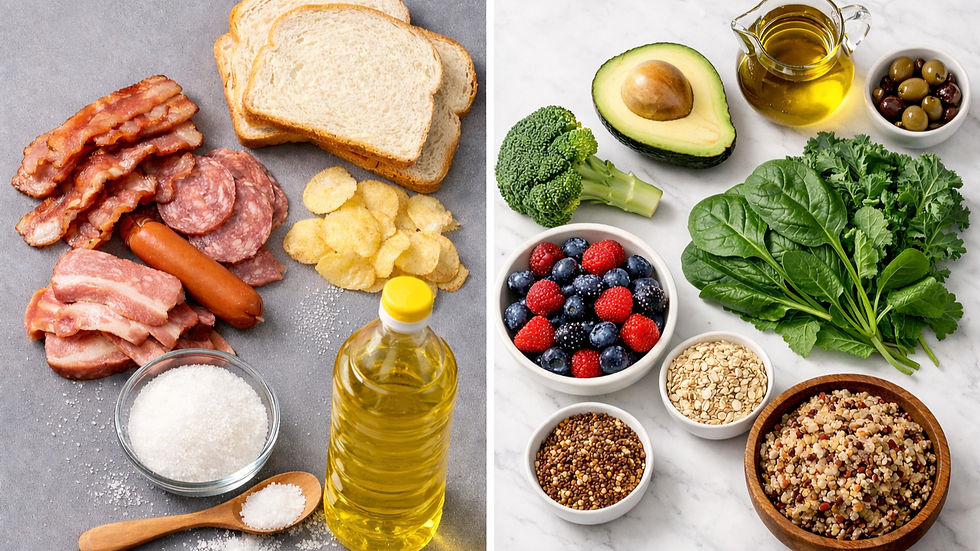
Foods That May Trigger Inflammation
For many women with endometriosis, certain foods consistently correlate with increased pain, bloating, and flare-ups.
The most commonly reported triggers include:
❌ Refined sugars and starches - spike blood sugar and fuel inflammatory pathways
❌ Red and processed meats - high in arachidonic acid which promotes prostaglandin production
❌ Dairy products - may worsen inflammation and digestive symptoms for some women
❌ Gluten - linked to increased intestinal permeability in some endo sufferers
❌ Excess caffeine - can worsen anxiety, disrupt sleep, and affect hormone balance
❌ Vegetable oils high in omega-6 fats - sunflower, corn, and soybean oils promote inflammation when consumed in excess
⚠️ Every woman's experience is different - what triggers one person may not affect another. Keeping a food diary is one of the most powerful tools for identifying your own personal patterns.
My Personal Nutrition Journey
I want to share something personal here - because I think it matters.
When I first started adjusting my nutrition, I was already experiencing daily symptoms from years of chronic, untreated inflammation. I was exhausted, in pain, and desperately searching for something that would actually help.
It was "Heal Endo" by Katie Edmonds that first opened my eyes to the profound connection between what I was eating and how I was feeling. For me personally, eliminating the most common inflammatory foods all at once - and then slowly and carefully reintroducing them one by one - helped me finally understand what my body was reacting to.
That approach will not be right for everyone. Some women prefer to start by removing one food at a time. Some work with a nutritionist. Some dive straight in. What matters is not the method - it is the intention behind it.
Because here is what I know to be true after everything I have been through:
Endometriosis management is not a short-term diet. It is a new, nourishing way of living - one that honors your body rather than fighting against it.
Start where you are.
Do what you can.
And be endlessly patient and kind with yourself along the way. 💛
Are you ready to finally feel in control of your body again?
If you are ready to go beyond information and into real, lasting transformation - The Complete Endo Healing System is everything you need in one place.
Four powerful eBooks. A complete roadmap.
Your full toolkit for healing endometriosis naturally - body, hormones, and gut included."

This is where you take your power back and start to live beyond endometriosis
Research-Backed Nutritional Strategies for Endometriosis
Here are the key nutritional strategies for endometriosis that current research most consistently supports:
Focus on whole, unprocessed foods
Prioritize anti-inflammatory fats
Consider a structured elimination protocol
Add healing spices to everything
Heal your gut
Stay deeply hydrated
Reduce your environmental toxic load
For a deeper dive into the specific foods that fight endometriosis inflammation - including the science behind each one - read The Most Powerful Anti-Inflammatory Foods for Endometriosis Relief. And if you want to understand how to reduce your toxic load alongside your nutritional changes, Natural Detox for Endometriosis: Support Body Reduce Inflammation covers everything you need to know. Together these posts give you a complete picture."
Anti-Inflammatory Recipes for Endometriosis
Knowing what to eat is one thing. Actually making it - especially on painful, exhausted days - is another entirely.
These three recipes were chosen because they are simple, genuinely delicious, and packed with the exact nutrients your body needs to reduce inflammation and feel nourished. No complicated techniques. No hard-to-find ingredients. Just real, healing food. 💛
Recipe 1: Gluten-Free Turmeric Salmon Bowl
Packed with omega-3 fatty acids, anti-inflammatory spices, and hormone-supporting greens - this bowl is one of the most powerful meals you can eat for endometriosis.
Ingredients:
1 wild-caught salmon fillet
1 tsp turmeric
½ tsp ginger powder
1 cup quinoa, rinsed
Mixed greens - spinach, rocket, kale
1 avocado, sliced
Olive oil, lemon juice, salt and pepper to taste
Instructions:
Cook quinoa according to package instructions
Rub salmon with olive oil - (I like to use tallow or coconut oil), turmeric, ginger, salt, pepper, and a squeeze of lemon
Grill or bake at 200°C / 400°F until flaky - approximately 12-15 minutes
Layer quinoa, greens, salmon, and sliced avocado in a bowl
Drizzle with extra virgin olive oil and a fresh squeeze of lemon
Why this works for endo: Wild salmon is one of the richest sources of omega-3s available - directly counteracting the prostaglandin-driven pain that drives endometriosis cramping. Turmeric adds powerful curcumin, and avocado provides the healthy monounsaturated fats that support hormone balance.
Recipe 2: Anti-Inflammatory Green Smoothie
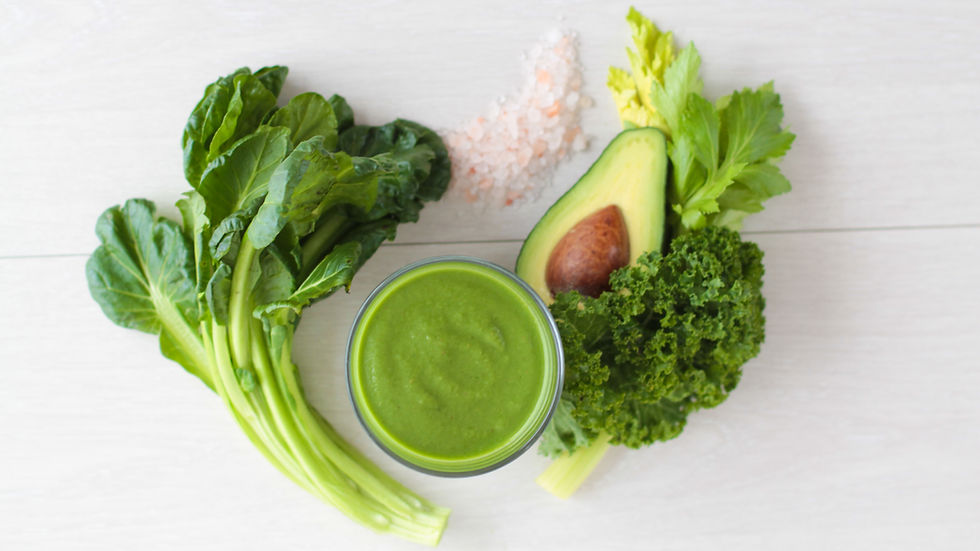
A gentle, nourishing way to start your morning - packed with antioxidants, fiber, and healthy fats that set the anti-inflammatory tone for your entire day.
Ingredients:
1 cup unsweetened almond milk or other dairy-free option
1 large handful fresh spinach
1 cup frozen mixed berries
1 small banana
1 tbsp chia seeds
½ tsp cinnamon
Instructions:
Add all ingredients to a blender
Blend until completely smooth
Serve immediately and enjoy
Why this works for endo: Berries are among the most antioxidant-rich foods on the planet - actively neutralizing the oxidative stress that drives endometriosis inflammation. Chia seeds add omega-3s and gut-supporting fiber, while cinnamon helps stabilize blood sugar and reduce inflammatory spikes.
Recipe 3: Hearty Quinoa Salad with Roasted Vegetables
A versatile, deeply satisfying recipe that works beautifully for lunch or dinner - rich in fiber, minerals, and antioxidants, and endlessly adaptable to whatever vegetables you have available.
Ingredients:
1 cup quinoa, cooked
1 cup cherry tomatoes, halved
1 red bell pepper, diced
1 zucchini, sliced
1 small red onion, thinly sliced
2 tbsp extra virgin olive oil
Fresh basil, salt and pepper to taste
Instructions:
Preheat oven to 200°C / 400°F
Toss bell pepper, zucchini, and red onion with olive oil, salt, and pepper
Roast for 20 minutes until golden and tender
Combine roasted vegetables with cooked quinoa and fresh cherry tomatoes
Garnish generously with fresh basil and a drizzle of olive oil
Why this works for endo: Quinoa is a complete protein and one of the most gut-friendly grains available - naturally gluten-free and rich in anti-inflammatory minerals. The combination of colorful vegetables delivers a broad spectrum of antioxidants in every single bite.
Love these recipes?
Imagine having months' worth of meals just like these - already planned, already tested, and designed specifically for women with endometriosis.
The 3-Week Anti-Inflammatory Reset for Endometriosis Relief gives you 28 simple, healing recipes with a complete shopping list included. No guesswork. No overwhelm.
Just nourishing, delicious food that actually supports your healing.

Additional Nutritional Tips for Endometriosis
Beyond the foundational strategies we have covered, these practical tools can help you build consistency and make the transition to anti-inflammatory eating feel genuinely sustainable:
Build a balanced plate every meal
A simple formula that always works:
half your plate with colorful vegetables,
a quarter with lean protein,
a quarter with whole grains,
plus a serving of healthy fat.
Every meal. Every day.
Keep a food and symptom journal
Track what you eat alongside your symptoms:
pain levels,
bloating,
energy,
mood.
Over time patterns emerge that no generic advice can ever reveal. Your body is the most valuable data source you have.
Batch cook at weekends
Prepare grains, roast vegetables, and portion proteins on Sunday so that nourishing meals are accessible even on your most exhausted days. Healing food should never require more energy than you have available.
Supplement wisely and with guidance
Some women with endometriosis benefit from omega-3 supplements, vitamin D, magnesium, and targeted probiotics. Always discuss supplementation with a healthcare provider familiar with endometriosis before starting.
Consider cycle-syncing your nutrition
Your nutritional needs shift throughout your menstrual cycle. Focus on iron-rich foods during menstruation to replenish blood loss, prioritize protein and healthy fats during the follicular phase for energy and hormone production, and emphasize liver-supporting cruciferous vegetables in the luteal phase to support estrogen clearance.
Trial a low-FODMAP approach if needed
If bloating, cramping, and IBS-like symptoms are significant for you, a structured low-FODMAP elimination and reintroduction protocol - ideally with a registered dietitian - can help identify specific digestive triggers.
Consult an endometriosis-informed nutritionist
A nutritionist who understands endometriosis can help you personalize all of these strategies to your unique body, symptoms, and lifestyle. Generic nutrition advice was not designed for endo - you deserve guidance that actually understands your condition.

Small Changes That Make a Difference in Nutritional Strategies for Endometriosis
Here is something I learned the hard way:
Knowing exactly what to eat and actually doing it consistently are two very different things - especially when you are living with fatigue, pain, and the mental load of managing a chronic condition.
So rather than overwhelming you with a complete dietary overhaul, let's talk about the specific nutritional shifts that make the biggest impact for endometriosis - starting with just one week:
Upgrade your fats
Swap your cooking oil from vegetable or sunflower oil to extra virgin olive oil. This single change reduces your omega-6 intake and begins shifting your body's inflammatory balance. It costs nothing extra and requires zero effort beyond opening a different bottle.
Add omega-3s daily
Add one omega-3 rich food to your diet every single day - a small portion of wild-caught salmon, a tablespoon of flaxseed in your smoothie, or a handful of walnuts as a snack. Omega-3s directly counteract the prostaglandin-driven pain that causes endometriosis cramping. This is one of the most evidence-backed nutritional strategies available to you.
Crowd out sugar gradually
Rather than cutting sugar cold turkey - which often backfires - start crowding it out. Every time you reach for something sweet, pair it with protein or healthy fat first. Apple with almond butter. Dark chocolate with a handful of nuts. This stabilises blood sugar and reduces the inflammatory spikes that worsen endo symptoms over time.
Build a healing breakfast
Your first meal sets the inflammatory tone for your entire day. Swap processed cereals and toast for an anti-inflammatory breakfast - the green smoothie recipe in this post, overnight oats with berries and chia seeds, or eggs with sautéed greens and avocado. One week of consistent mornings creates a foundation that compounds beautifully over time.
Progress over perfection. Every single time. 💛
Are you ready to stop guessing what your body needs and start feeling supported by what you eat?
Living with endometriosis can feel exhausting - the constant trial and error, the flare-ups that seem to come out of nowhere, the feeling that no one is giving you clear answers. You don’t need another overwhelming plan. You need something simple, nourishing, and designed for your body.
That’s exactly why I created Empowered Eating: 7-Day Meal Plan for Endometriosis Wellness - to take the pressure off and give you a clear, supportive starting point.
Inside, you’ll find everything you need to feel more in control and less overwhelmed:
Anti-inflammatory recipes designed specifically for endometriosis
A simple 7-day meal plan you can actually stick to that will last you months
Batch cooking guidance to save your time and energy
A complete cooking oils guide to reduce hidden inflammation
Ready-made shopping lists (no more second-guessing at the store)
Reflection prompts to help you reconnect with your body
Bonus nourishing recipes to keep things easy and enjoyable
This isn’t about perfection. It’s about giving your body consistent support - one meal at a time.
You deserve to feel better in your body. And it can start today.

Because healing doesn’t come from doing more - it comes from finally doing what works for you.
From Me to You
Nutrition can feel like one more thing to get right when you are already carrying so much.
Another list of rules. Another thing to track. Another area where you feel like you are somehow failing your own body.
I want to gently challenge that thought - because it is not true, and it is not fair to you.
Food is not a punishment. It is not a test you can pass or fail. It is one of the most intimate and powerful acts of self-care available to you - a way of saying to your body, quietly and consistently, I hear you. I am trying. I am here.
When I changed the way I ate, the shift was not just physical. Something deeper changed too. There was something profoundly healing about standing in my kitchen, choosing ingredients that I knew were working for me rather than against me. Cooking became an act of self-respect rather than a chore.
That relationship with food - curious, compassionate, and patient - is what I hope this post has given you a small taste of.
You do not need a perfect diet. You need a nourishing one. And those are very different things.
Start with one recipe from this post this week. Just one. Cook it slowly. Eat it mindfully. Notice how your body feels afterwards.
That is enough. That is everything. 💛
With love,
Lena Founder of Live Beyond Endo
If you are ready to take everything we have covered in this post and put it into immediate, supported action
The Complete Endo Healing System brings it all together.
Four powerful eBooks.
A complete nutritional roadmap.
Everything you need to start healing your body through food, one beautiful meal at a time.
Disclaimer reminder: This blog post is for informational purposes only and is not a substitute for professional medical advice. Always consult a healthcare professional before making any dietary or treatment changes.
Related Resources
Want to go even deeper? These posts were written to support every part of your endometriosis healing journey:
Endometriosis: Anti-Inflammatory Diet & Toxin-Free Cooking - Practical recipes and lifestyle tips to reduce inflammation naturally
The Most Powerful Anti-Inflammatory Foods for Endometriosis Relief - A deep dive into the science behind healing foods
Natural Detox for Endometriosis: Support Your Body and Reduce Inflammation - How to reduce your toxic load and support your natural detox pathways
Endometriosis Explained: Symptoms, Root Causes & Management - Everything you need to understand your diagnosis
Stay connected, stay informed, and above all, stay empowered.


Comments